
Eye Diseases Explained: Cataracts


Key takeaways about cataracts
- Cataracts are a common eye condition that can cause blurry or cloudy vision, light sensitivity, double vision, and changes to the way you see color.
- Age is the most common cause of cataracts, but factors like diabetes, smoking, eye injuries, and extensive sun exposure can also increase your risk of developing cataracts.
- Routine eye exams, healthy habits, and wearing protection like sunglasses or hats can help reduce the risk of developing the condition.
Imagine looking at the world through a smudged, cloudy window. Unfortunately, this is the reality for roughly 24 million people living in the United States diagnosed with cataracts, and numbers are predicted to rise to 38.7 million by 2030.
What are cataracts?
Vision occurs when the clear lens behind your eye's iris transfers light and processes that information to form a picture. Cataracts are the clouding of the lens of one or both eyes, which can cause your vision to become blurry or even dull in color.
Unfortunately, when cataracts are present, the cloudy lens strains the brain's ability to process an image. In addition to cloudy and blurry vision, cataracts can cause:
- Sensitivity to bright lights, including the sun and artificial lights
- An ongoing need to change eyeglass and contact prescriptions
- Diplopia (double vision)
- Diffraction (a halo effect around lights)
- An overall change to the way you see colors
What causes cataracts?
Eyes are composed mainly of water and proteins. Those proteins can break down and clump together as you get older, eventually causing cataracts. Although age is the most common factor in developing the condition, other risk factors can contribute to the diagnosis, including:
- Health problems (diabetes, obesity, high blood pressure)
- A family history of eye disease
- Extensive sun exposure (not wearing proper protection like sunglasses, hats, etc.)
- Eye injuries (impact, heat and chemical burns, splinters)
How to prevent cataracts
Although there are no proven ways to prevent cataracts, doctors believe the following habits can help:
- Wearing proper protection such as sunglasses or wide-brim hats
- Consuming foods high in vitamin C and E (oranges, tomatoes, broccoli, strawberries, spinach, almonds)
- Scheduling routine eye exams
- Quitting smoking
- Cutting back on alcohol use
- Using brighter lamps when reading to prevent eye strain
How to treat cataracts
Eventually, you may reach a point where the symptoms of a cataract are starting to affect your day-to-day life. When this happens, it's important that you schedule an appointment with your eye doctor immediately.
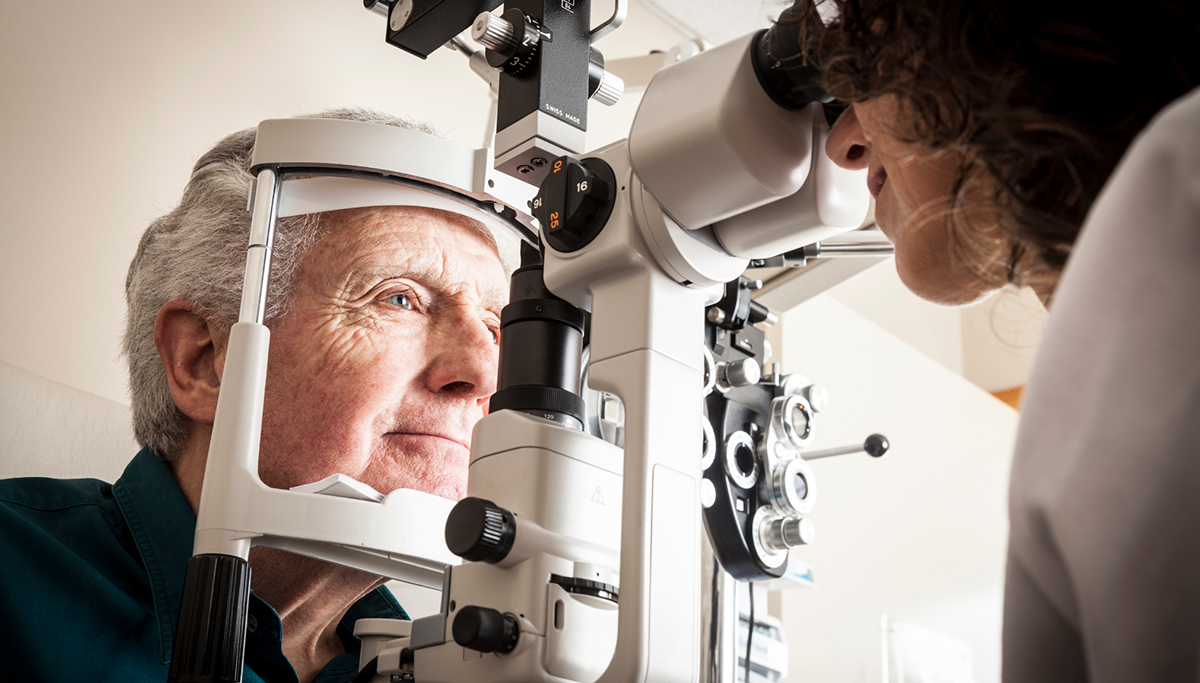
Your doctor can determine how much your vision is blocked by widening and examining your pupil. Based on your doctor's findings, it's possible they may recommend surgery.
Cataract surgery is “one of the safest and most frequently performed surgeries in the U.S.” Prior to the start of surgery, you will undergo anesthesia and receive numbing eye drops. The amount of anesthesia will ensure that you stay awake but do not feel any pain.
During surgery, an ophthalmologist will start by removing the damaged lens. Then, using an artificial implant personalized to your vision needs, the doctor will place the new lens into your eye.
After surgery, it's common to feel mild discomfort or itching, but after about three weeks, symptoms should be fully healed, and you can now enjoy your new and improved vision!
Don’t let cataracts get in the way of clear vision
Cataracts are a common part of aging, but they don’t have to define your vision. By staying aware of early changes, keeping up with routine eye exams, and practicing healthy habits, you can take an active role in protecting your eye health.
If cataracts do begin to impact your daily life, safe and effective treatment options are available. Taking steps today can help you continue to see clearly and confidently for years to come.