
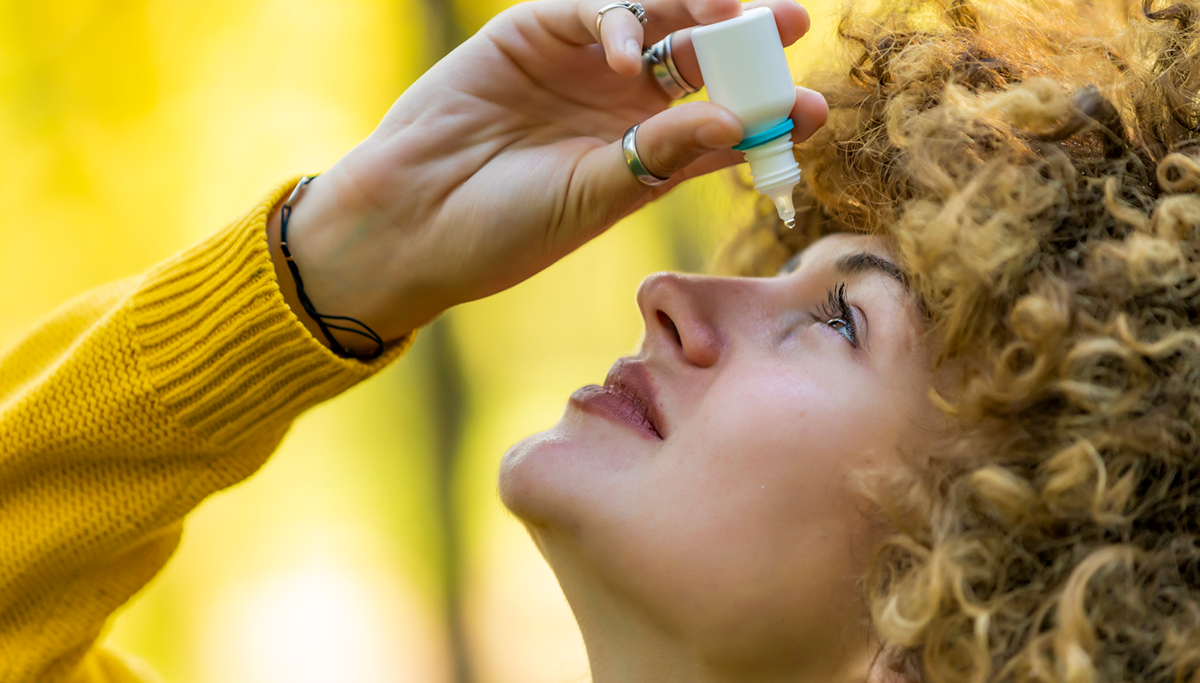
5 Ways to Improve Your Eye Health


Key takeaways about taking care of your eye health:
- Many eye conditions have no early symptoms, which is why it’s important to prioritize annual eye exams. Regular check-ups can catch diseases like glaucoma and cataracts before they progress.
- Your lifestyle choices directly impact your eye health. What you eat, how much you smoke, and how long you spend on screens all play a significant role in protecting or damaging your vision over time.
- Prevention is your best defense against eye diseases. Whether it's wearing UV-blocking sunglasses, following the 20-20-20 rule, or loading up on lutein-rich foods, small daily habits add up to long-term eye health.
You rely on your eyes to see and experience the world. If you don't care for them, poor eye health can lead to disease, damage, and even blindness.
Here are five ways to improve and maintain your eye health and ensure your vision stays clear for years to come.
Ways to improve your eye health
Taking care of your eyes doesn't have to be complicated. From the foods you eat to the habits you build, small changes can make a big difference in protecting your vision.
Schedule routine eye exams
You already know it’s important to make regular visits to your doctor or dentist for check-ups. You should also prioritize seeing your eye doctor for a comprehensive eye examination. It can help keep tabs on your eye health.
Even if you have 20-20 vision, eye exams do more than just monitor how well you can see; they can help detect other medical conditions and eye diseases such as glaucoma or cataracts. Many eye conditions are asymptomatic early on. Therefore, it's important to schedule annual eye exams. Doing so can help detect diseases before they worsen.
Pro tip: Vision insurance promotes positive eye health and can help keep you from paying high out-of-pocket rates on procedures not covered by your medical insurance. With our DeltaVision® plans, we can help cover vision care costs to keep your eyes healthy and support your overall health.
Avoid smoking to protect against diseases
Smoking can lead to the development of two severe eye conditions: age-related macular degeneration (AMD) and cataracts, both of which can lead to serious vision loss or blindness if left untreated.
Furthermore, individuals who smoke cigarettes are two to three times more likely to develop cataracts and up to four times more likely to develop AMD than those who don’t smoke. Quitting smoking is one of the best ways to take care of your eye health.
Focus on nutrition to maintain eye health
What you eat also plays a huge role in your eye health. A diet rich in vitamins, antioxidants, and minerals can help maintain quality vision health. Studies and observational data suggest that diets with optimal levels of vitamins C and E, lutein, and zeaxanthin can reduce cataract risk. Daily multivitamin use may also help.
The next time you're at the grocery store, add a few foods from the list below to your cart:
- Lutein & Zeaxanthin: Spinach, kale, broccoli, and green peas
- Vitamin C: Oranges, grapefruit, strawberries, tomatoes
- Vitamin E: Sweet potatoes, sunflower seeds, almonds, flaxseed oil
- Essential fatty acids: Salmon, tuna, sardines
- Zinc: Red meat, oysters, pumpkin seeds, peanuts
- Vitamin A: Liver, egg yolk, dairy products
Give your eyes a break
The average person spends over six hours a day staring at a screen. Because of excess screen time, individuals are becoming susceptible to a digital eye strain known as computer vision syndrome.
Your eyes work extra hard to make out words and images on the screen. This added strain can lead to long-lasting effects on your eye health, like eye fatigue, dry and irritated eyes, loss of focus flexibility, nearsightedness, and retinal damage.
To help reduce digital eye strain and improve eye health, the American Optometric Association recommends the 20-20-20 rule. Every 20 minutes, take a 20-second break to look at something 20 feet away.
Protect your eyes from damage
If you work in the labor industry, especially in jobs like construction, you may be prone to eye injuries from dust, penetration, heat, radiation, and various chemicals. Therefore, it's essential to follow certain precautions when on-site to protect your eyes from damage:
- Wear the right gear (goggles, safety glasses, or other eye protection)
- Restrict access to worksites during times when accidents are more likely to happen
- Undergo proper training
UV radiation from the sun is also to blame for the development of severe eye conditions like cataracts, macular degeneration, corneal sunburn, or even conjunctival cancers.
Luckily, there are steps you can take to keep your eyes healthy while still enjoying the outdoors:
- Wear sunglasses even on cloudy days
- Always choose sunglasses that block 99 to 100 percent of UVA and UVB light
- Wear a hat with at least a three-inch brim
- Use sunscreen with an SPF of 15 or higher around your eyes
- Be sure to take protective steps when on snow and water.
Small changes make a big impact on eye health
Your vision is one of your most valuable assets, and protecting it starts with simple, everyday choices. By eating well, limiting screen time, avoiding smoking, staying protected outdoors, and keeping up with routine eye exams, you can maintain healthy eyes now and for years to come.
Learn more about how Delta Dental’s vision benefits can support your eye health.