
What is Tooth Reshaping?


Key takeaways about tooth reshaping
- Tooth reshaping is a procedure where small amounts of enamel are gently removed to smooth chips, correct minor imperfections, and create a more balanced, symmetrical smile.
- It is typically completed in a single visit with no recovery downtime and is best suited for adults with healthy teeth and gums.
- Tooth reshaping should only be done by a dental professional to avoid risks like sensitivity or damage.
When you hear the phrase “tooth reshaping”, do you find yourself thinking of pointed teeth trying to mimic your favorite vampire or people trying to recreate the iconic gap between their front teeth? If so, it may be time to expand your knowledge on the topic!
The truth is, tooth reshaping, also known as dental contouring or enameloplasty, is a dental procedure that slightly changes the shape, length, or surface of a tooth. While the treatment is typically subtle, it can make a noticeable difference in your smile's overall appearance.
If you’ve ever wished a chipped tooth looked smoother or that your smile appeared more even, tooth reshaping may be an option worth exploring.
What is tooth reshaping?
As mentioned, Tooth reshaping is a cosmetic procedure* in which a dentist improves the appearance of a tooth by removing small amounts of enamel.
Dentists may use tooth reshaping to:
- Smooth, chipped, or uneven teeth
- Shorten teeth that appear too long
- Improve the appearance of slightly crowded teeth
- Create a more symmetrical smile
- Remove small pits or grooves in enamel
- Improve how teeth align with one another
*Note: Because tooth reshaping is considered a cosmetic procedure, it may not be covered by your dental benefits. Be sure to consult with your dental insurance company to understand coverage options and potential costs.
What happens during a tooth reshaping procedure?
Tooth reshaping is a common, quick, and painless process that can often be completed in a single dental visit with zero downtime afterward.
During the procedure, your dentist will examine your teeth to make sure they are healthy enough for reshaping. They may take X-rays to ensure the roots and bones are also stable. If the teeth aren’t healthy, removing enamel can cause additional damage. Therefore, restorative procedures like fillings or treatment for gum disease will need to be done before any tooth reshaping.
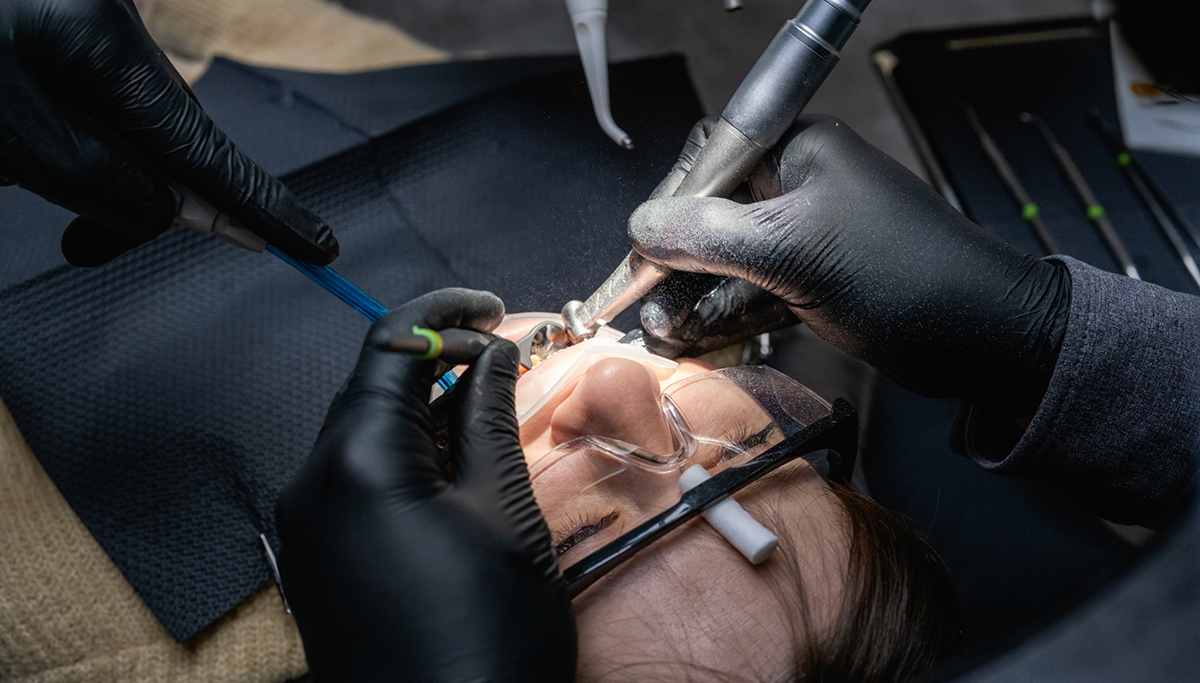
Once the teeth are ready, your dentist will use a variety of tools, such as sanding discs and abrasive strips (think tiny and gentle pieces of sandpaper), to shape the teeth to their desired appearance.
Since only the outer enamel is affected, anesthesia is often unnecessary unless reshaping is combined with another procedure.
Pro tip: To keep your new smile looking great, don’t use your teeth as tools; avoid smoking, vaping, and any other tobacco products; and keep up a good oral hygiene routine.
Who is a good candidate for tooth reshaping?
Tooth reshaping is best suited for adults with healthy teeth and gums who are looking to address minor cosmetic concerns.
The procedure may not be appropriate for more significant dental issues, including severe crowding, major chips, or weakened enamel. In those situations, your dentist may recommend other cosmetic or restorative options, such as a crown or braces.
Is tooth reshaping permanent?
Because tooth enamel cannot grow back, tooth reshaping is a permanent procedure.
Maintaining good oral hygiene habits and regular dental visits can help preserve the appearance of your smile after treatment.
Are there risks to tooth reshaping?
Tooth reshaping is generally considered safe when performed by a dental professional. It’s important to NEVER attempt to reshape your own teeth, as it can cause irreparable damage.
Also, removing too much enamel could increase tooth sensitivity or raise the risk of infection, cracked teeth, and cavities, underscoring the importance of having it done by a dentist.
Tooth reshaping can help restore confidence
Even small changes to your teeth can make a big difference in how you feel about your smile. Tooth reshaping offers a simple, minimally invasive option for improving minor imperfections and creating a more balanced appearance, which can be a big confidence boost!
If you’re curious whether tooth reshaping is right for you, talk with your dentist. They can evaluate your oral health, discuss your goals, and recommend the best treatment options for your smile.
Looking for more ways to support your oral health? Check out “Are you getting the most out of your dental insurance?”