
Does Sitting Too Close to the TV Really Cause Vision Damage?


Key takeaways about sitting close to a TV and vision damage:
- Sitting close to a TV does not cause permanent vision damage. The idea that it does is a myth rooted in a 1960s manufacturing error in which certain TVs emitted radiation.
- Smartphones and computers are a greater threat to your eye health than TVs. Prolonged near-work activities on phones and computers can cause the eyeball to elongate over time, increasing the risk of developing myopia.
- Taking regular breaks, blinking frequently, adjusting screen brightness, and using computer glasses are easy ways to keep your eyes healthy in a screen-heavy world.
“Don’t sit too close to the TV, you’ll go cross-eyed!”
Does this sound familiar?
For decades, adults have told their children to move away from the TV screen to stop vision damage, but does this advice really have any scientific basis?
As screens have become a bigger part of daily life, from TVs to tablets to smartphones, it’s worth taking a closer look at where this idea came from and whether sitting too close to a screen can lead to vision damage.
Can sitting close to a TV cause vision damage?
Although your adult figures meant well, the reality is that sitting too close to a TV screen doesn’t cause long-term vision damage.
The truth is that focusing on anything up close for an extended period can lead to uncomfortable but temporary effects like eyestrain. When you spend a long time reading, using your phone, or sitting close to a screen, the muscles in your eyes have to work harder to maintain focus.
As a result, you might experience:
- Headaches
- Temporary blurred vision
- Dry or irritated eyes
The good news is that the symptoms often go away once you rest your eyes and give them a break from focusing.
Is your child constantly sitting too close to the TV? It may be time to see an eye doctor
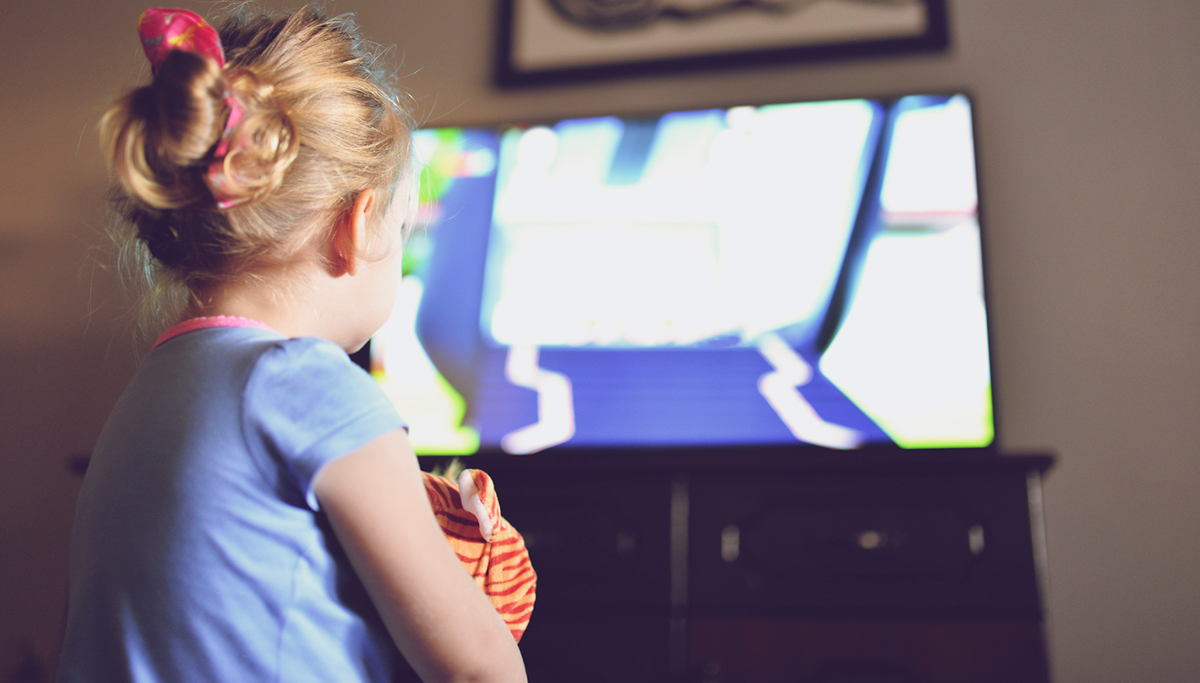
It’s not uncommon for children to sit close to a TV screen. According to the American Academy of Ophthalmology, children can focus at close distances far more easily than adults. This is often what drives the habit of sitting close to a screen in the first place.
While it may seem concerning, it doesn’t lead to long-term vision damage, and most children outgrow it as they age.
If your child consistently sits very close to the TV screen, it may be an indication that they should be checked for nearsightedness (myopia). Children with myopia often prefer to sit very close to the television or to hold books and devices close to their faces, which makes it easier to focus. If this is the case for your family, it’s a good idea to see an eye doctor for an eye exam.
Note: Sitting too close to a screen doesn’t directly cause myopia; it can instead be a sign that the condition is present.
Computer and phone screens cause more vision damage
As it turns out, the real threat to our eye health may not be the TV at all. It's the smartphones and computers we're glued to every day.
Research has found that the surge in daily screen time may be reshaping our eyes. Studies show that prolonged near-work activities, like scrolling on a smartphone or staring at a computer for hours, can cause the eyeball to elongate over time.
This physical change increases the risk of developing myopia, as the eye muscles are forced to constantly strain and overcompensate for extended close-distance focus.
Simple ways to prevent vision damage while using a screen
With screens playing a bigger role in our daily lives than ever before, developing good habits to protect your vision has never been more important.
The American Academy of Ophthalmology recommends the following to keep your eyes safe:
- Take consistent breaks and look away from the screen
- Use artificial tears to keep your eyes moist
- Remember to blink frequently
- Keep the brightness of the screen low and try to match the light around you
- Utilize computer glasses, which help your eyes focus
The bottom line about TV screens and vision damage
Sitting too close to the TV is one of those age-old warnings that turns out to be more myth than reality. While extended time in front of a TV can cause temporary discomfort, such as eyestrain, it does not cause permanent vision damage.
However, the real concern for your eye health may be closer than you think. The smartphone in your pocket and the computer on your desk pose a far greater risk to your long-term vision than any TV screen will.
Yet, with a few simple habits, like taking regular breaks, adjusting screen brightness, and remembering to blink, you can keep your eyes comfortable and healthy.